Most AI marketing agents are good at one surface and useless everywhere else.
That is the part the category pages keep hiding. A tool that writes a landing page, a system that changes bids, and an agent that turns a citation gap into a published article can all call themselves autonomous. The label tells you almost nothing.
I ranked 15 platforms by the two things that matter: where the agent can act and how much judgment you can safely delegate. I work at Profound, so I have an obvious bias. I also have a useful view into what marketing teams actually build. Every Profound claim below links to a public product or pricing page, and every platform gets an honest limitation.
Methodology: the autonomy rubric
I reviewed public product documentation, pricing pages, help centers, and current product screenshots on August 31, 2026. I scored the highest level each platform can reach on its primary marketing surface. A configurable agent may sit at L2 in one deployment and L4 in another.
| Level | What the agent can do | Human role | Example |
|---|---|---|---|
| L0: answer | Explains, summarizes, or retrieves | Prompts every task | Ask why conversion rate changed |
| L1: recommend | Finds an issue and proposes an action | Chooses the action and does the work | Recommend a budget shift |
| L2: create | Produces a finished asset or configured draft | Reviews and moves it into the live system | Draft a campaign and audience |
| L3: act with approval | Writes to the live system after a human approves | Reviews the proposed change | Publish an approved article |
| L4: act within guardrails | Runs, learns, and changes the live system inside set limits | Sets goals, limits, and exception rules | Reallocate bids against a target ROAS |
The ranking also weighs surface fit, brand and customer context, measurement, approval controls, time to value, and entry price. I gave extra weight to agents that connect the signal, the action, and the result. A higher autonomy ceiling does not automatically mean a better product. L3 is the right design for a lot of marketing work because a bad send, publish, or budget change is expensive.
The 15 best AI marketing agents at a glance
| Platform | Primary surface | Autonomy ceiling | Entry pricing | Best-for |
|---|---|---|---|---|
| 1. Profound Agents | AEO & Content | L3, act with approval | $99/mo annual | Teams turning AI visibility data into cited content |
| 2. Salesforce Agentforce | CRM + marketing cloud | L3-L4, configurable | $0 Foundations; Marketing Cloud Next from $1,500/org/mo | Enterprise CRM orchestration |
| 3. Soku | Paid media | L3, act with approval | Free; paid from $15/mo annual | Cross-channel performance teams |
| 4. HubSpot Breeze | CRM + inbound | L2-L3 | Free tools; Marketing Hub Pro from $890/mo | Mid-market HubSpot teams |
| 5. Klaviyo K:AI | Ecommerce lifecycle | L3 | Free platform tier; agent usage is credit-based | B2C email, SMS, and retention |
| 6. BrazeAI Agents | Lifecycle + customer engagement | L3-L4 | Custom | Enterprise cross-channel journeys |
| 7. Iterable Nova | Lifecycle messaging | L3 | Custom | Experiment-heavy lifecycle teams |
| 8. AirOps Quill | AEO & Content | L3 | Free Insights tier; paid plans vary | Content engineering teams |
| 9. Jasper Agents | Content + brand | L2 | $69/seat/mo | Brand-controlled content production |
| 10. Relevance AI | Cross-tool GTM workflows | L4, configurable | Free; Pro from $19/mo annual | No-code agent workforces |
| 11. n8n | Workflow orchestration | L4, configurable | Free self-hosted; cloud from €20/mo annual | Technical marketing teams |
| 12. CrewAI | Multi-agent orchestration | L4, configurable | Free; Enterprise custom | Engineering-led agent systems |
| 13. Google Performance Max | Google paid media | L4 | No platform fee; ad spend required | Advertisers committed to Google inventory |
| 14. Meta Advantage+ | Meta paid media | L4 | No platform fee; ad spend required | Ecommerce and app advertisers on Meta |
| 15. Writesonic | AEO & Content | L2-L3 | $79/mo annual | SMBs combining AI visibility and content |
📊 Takeaway: Pick the surface first. A high-autonomy agent connected to the wrong system gives you a faster path to work you did not need.
Paid-media agents
3. Soku: best paid-media agent with an approval gate
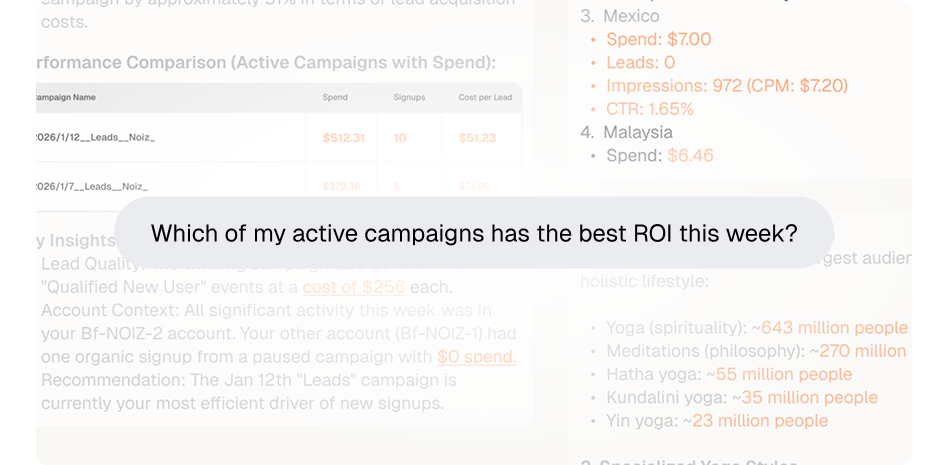
Soku is the cleanest paid-media pick for teams that want cross-channel analysis without giving an opaque system unrestricted spend authority. It connects Meta, Google, TikTok, GA4, and dozens of other apps, then turns what it sees into executable proposals. Its current pricing starts with 2,000 free credits. Creator costs $15 per month on annual billing, Starter costs $39, and Pro costs $199.
The useful distinction is the approval gate. Soku can diagnose account structure, compare channel performance, generate creative, and propose changes such as pausing an ad set or shifting budget. The marketer sees the action before it reaches the ad account. That puts it at L3. For paid media, I prefer that posture to unsupervised optimization because spend changes are immediate and attribution data is rarely as clean as the model assumes.
Soku also has the broadest surface in this paid group. Google and Meta optimize their own inventory. Soku can reason across both, alongside TikTok and analytics, which makes it more useful for an agency or a performance team deciding where the next dollar should go.
Honest limitation: Soku is still a paid-media specialist. It will not own a lifecycle journey, CRM hygiene, or AEO program. Its credit model also means cost depends on task mix, so model a real month of analysis, creative, and execution before choosing a tier.
Screenshot: Soku.
13. Google Performance Max: best for autonomous buying across Google
Performance Max is less conversational than newer agent products, but its autonomy is real. You provide conversion goals, values, creative assets, audience signals, budget, and account constraints. Google’s AI then chooses bids, placements, audiences, and asset combinations across Search, YouTube, Display, Discover, Gmail, and Maps.
That is L4 on a single advertising ecosystem. The system keeps optimizing without asking you to approve each bid or placement. There is no separate platform fee, although you need a Google Ads account and active spend. Performance Max works best when conversion tracking and value rules are trustworthy. A weak goal produces very efficient optimization toward the wrong outcome.
The upside is reach. One campaign can find converting demand across nearly every Google surface, and Smart Bidding changes bids in real time. For small teams, that can replace a lot of manual campaign segmentation. For large teams, it can absorb millions of tiny auction decisions that no media buyer should make by hand.
Honest limitation: Cross-channel means cross-Google here. Reporting and search-term visibility remain less granular than many experienced buyers want, and the system can favor branded or already-captured demand if your controls are loose. You are delegating meaningful budget decisions to a platform that also sells the inventory, so incrementality testing still matters.
Screenshot: Google Ads.
14. Meta Advantage+: best for autonomous Meta campaign delivery
Meta Advantage+ applies machine learning across audience, placements, budget, and creative for Facebook and Instagram campaigns. In practice, the system can automate targeting expansion, distribute spend, mix creative variations, and choose placements against a conversion goal. There is no separate software fee. You pay for the media running through Meta Ads Manager.
I score Advantage+ at L4 because optimization runs continuously inside the campaign constraints you set. The marketer chooses the business objective, budget, exclusions, creative inputs, and conversion data. Meta handles a huge number of delivery decisions after launch. That makes it especially useful for ecommerce and app advertisers with enough conversion volume to train the system.
Advantage+ creative adds another layer by resizing assets, expanding images, selecting music, and adapting ads to placements. Meta’s Reels guidance shows how these features live directly in Ads Manager. The agent experience is embedded in campaign setup rather than presented as a separate chat.
Honest limitation: Advantage+ only sees Meta’s world, and marketers get limited visibility into why a specific audience, placement, or creative combination won. Performance can also degrade quickly when event quality, attribution, or product feeds are messy. Keep holdouts and account-level guardrails. Autonomous delivery can make a broken signal look efficient for a while.

Screenshot: Meta for Business.
Lifecycle and customer-engagement agents
5. Klaviyo K:AI: best lifecycle agent for ecommerce
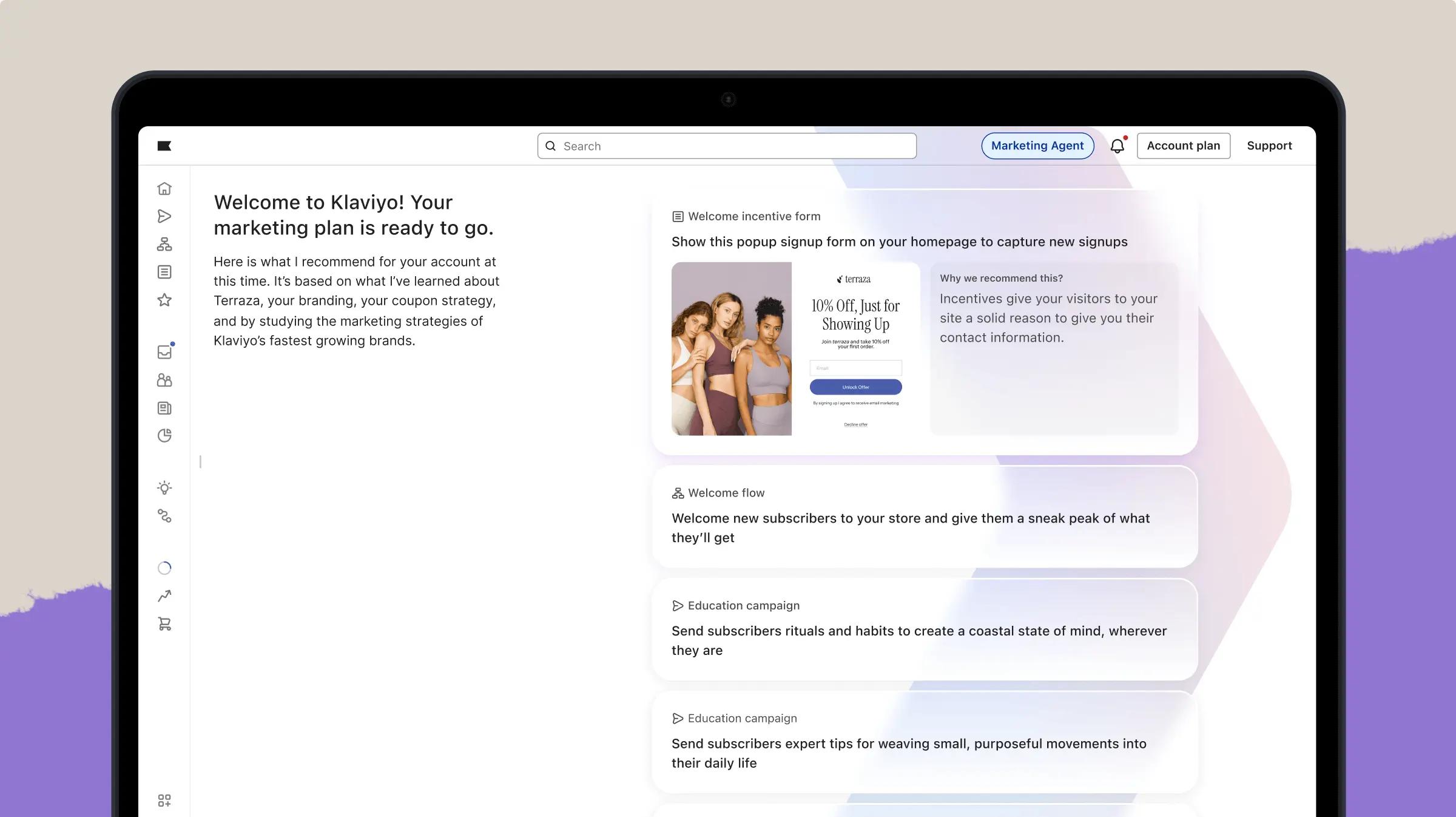
Klaviyo’s K:AI marketing agent, now called Composer in its pricing and billing materials, is built for B2C lifecycle work. Give it a website and it can learn the brand, create a marketing plan, build campaigns, draft flows and forms, and prepare them for launch. Klaviyo says the system can set essential flows live and generate weekly campaign ideas from historical performance and seasonal signals.
That lands at L3 today. The agent produces work inside the same platform that holds customer profiles, catalog data, email, SMS, push, and performance history, while humans retain launch and compliance control. The public roadmap describes automatic optimization of timing, creative, and offers, which would push parts of the product toward L4 as those controls mature.
Klaviyo has a free platform tier for up to 250 profiles and 500 monthly emails. Composer usage is measured in dynamic AI credits, and the billing documentation says similar actions may consume different amounts depending on complexity. The tight data loop is the value: the agent does not need a separate customer-data integration before it can personalize a campaign.
Honest limitation: The platform is strongest for ecommerce and B2C lifecycle. Complex B2B buying committees, offline conversion paths, and multi-product enterprise data models are outside its center of gravity. Credit variability also makes a live workload test more useful than a simple price-page comparison.
Screenshot: Klaviyo.
6. BrazeAI Agents: best for enterprise cross-channel personalization
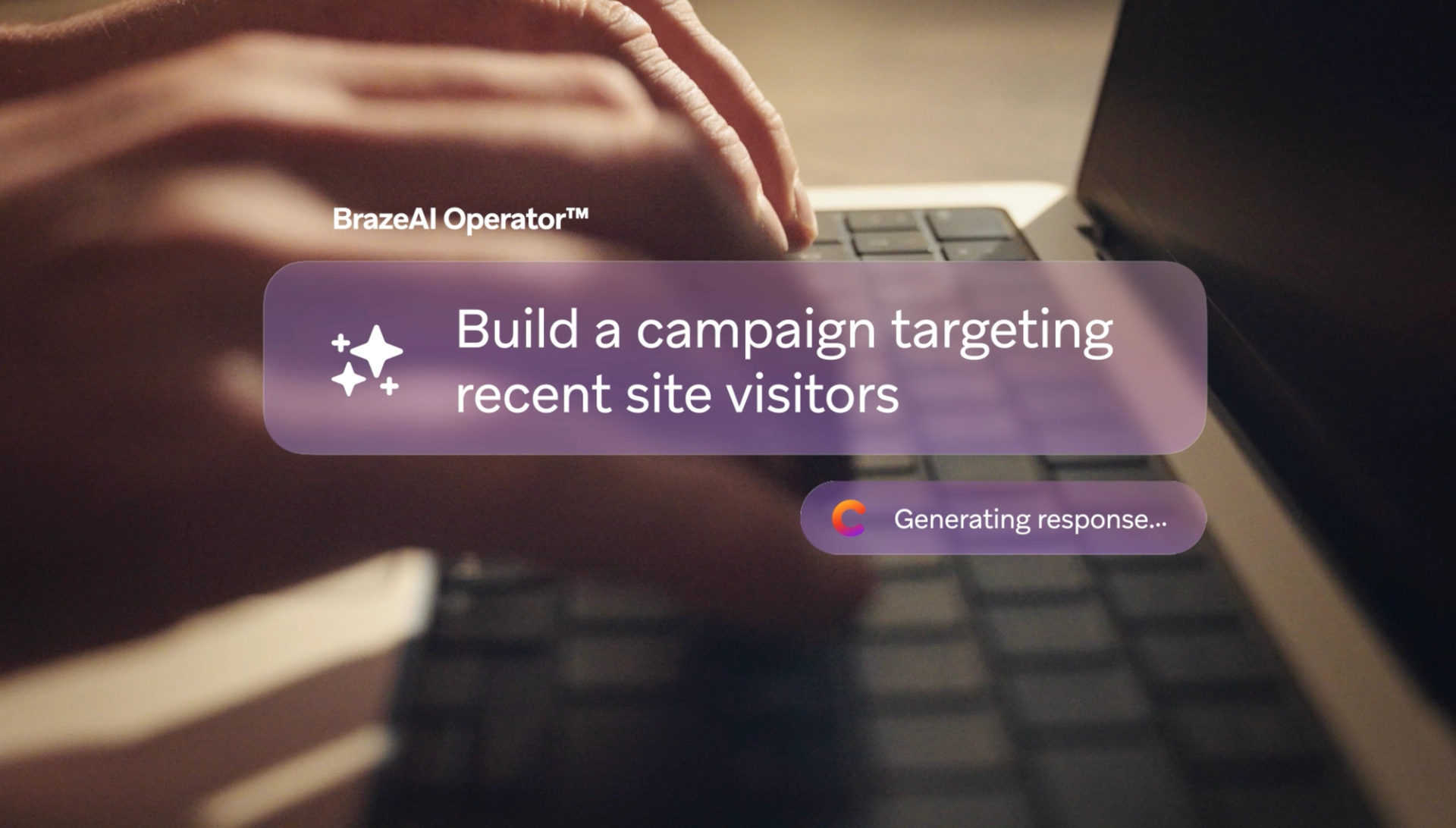
BrazeAI combines Operator, Agent Console, and Decisioning Studio across campaigns and Canvases. Operator can write agent instructions, set guardrails, incorporate customer data, and deploy agents into Braze. Agent Console can generate content, segment customers, identify product affinity, and choose journey paths against a stated goal.
The ceiling is L3-L4. A team can use Operator to build and approve an agent, then allow it to make bounded decisions inside a live customer journey. Braze also supports email, push, SMS, WhatsApp, in-app messages, webhooks, and audience sync, which gives the system a wider lifecycle surface than a campaign-writing tool.
Pricing is custom. Braze says its model scales across platform edition, monthly active users, and Action Credits used for channels and certain AI products. The 2026 pricing page includes AI capabilities across all four platform editions, with higher governance and experimentation depth at the enterprise end. This is enterprise infrastructure, so the working price depends heavily on audience and message volume.
Honest limitation: Braze requires a meaningful implementation and clean event architecture before its autonomy becomes valuable. It cannot rescue an inconsistent taxonomy or missing consent data. Public list pricing is unavailable, which makes an early total-cost model harder. Teams should include data engineering, onboarding, channel fees, and AI invocation volume in the evaluation.
Screenshot: Braze.
7. Iterable Nova: best for experiment-heavy lifecycle teams
Iterable’s Nova Agent is a context-aware layer inside its cross-channel engagement platform. It can review and create campaigns, templates, experiments, journeys, snippets, and Handlebars logic. It can also answer performance questions using project data. The support documentation is unusually specific about current capabilities, which makes the autonomy easier to score.
Nova sits at L3. It can prepare and edit live platform objects, but Iterable says it will not save changes or send without asking for confirmation. That is a sensible boundary for customer messaging. The broader Nova Intelligence layer also handles send-time, frequency, and channel optimization using engagement data, so deterministic campaign configuration and automated decisioning can coexist.
This is a strong fit for lifecycle teams that already run a high volume of tests. Nova can create subject-line experiments, explain campaign performance, audit templates, and generate personalization logic without moving data into a separate agent builder. Iterable’s 2026 launch materials describe customers reclaiming 50% of campaign bandwidth and tripling testing volume, although those results come from vendor-reported examples.
Honest limitation: Pricing is custom, and some Nova capabilities are rolling out in phases by account. The agent is also bounded by Iterable’s surface. It will not coordinate paid-media budgets or an AEO content program on its own. Confirm current entitlement, regional availability, and data requirements during the demo.
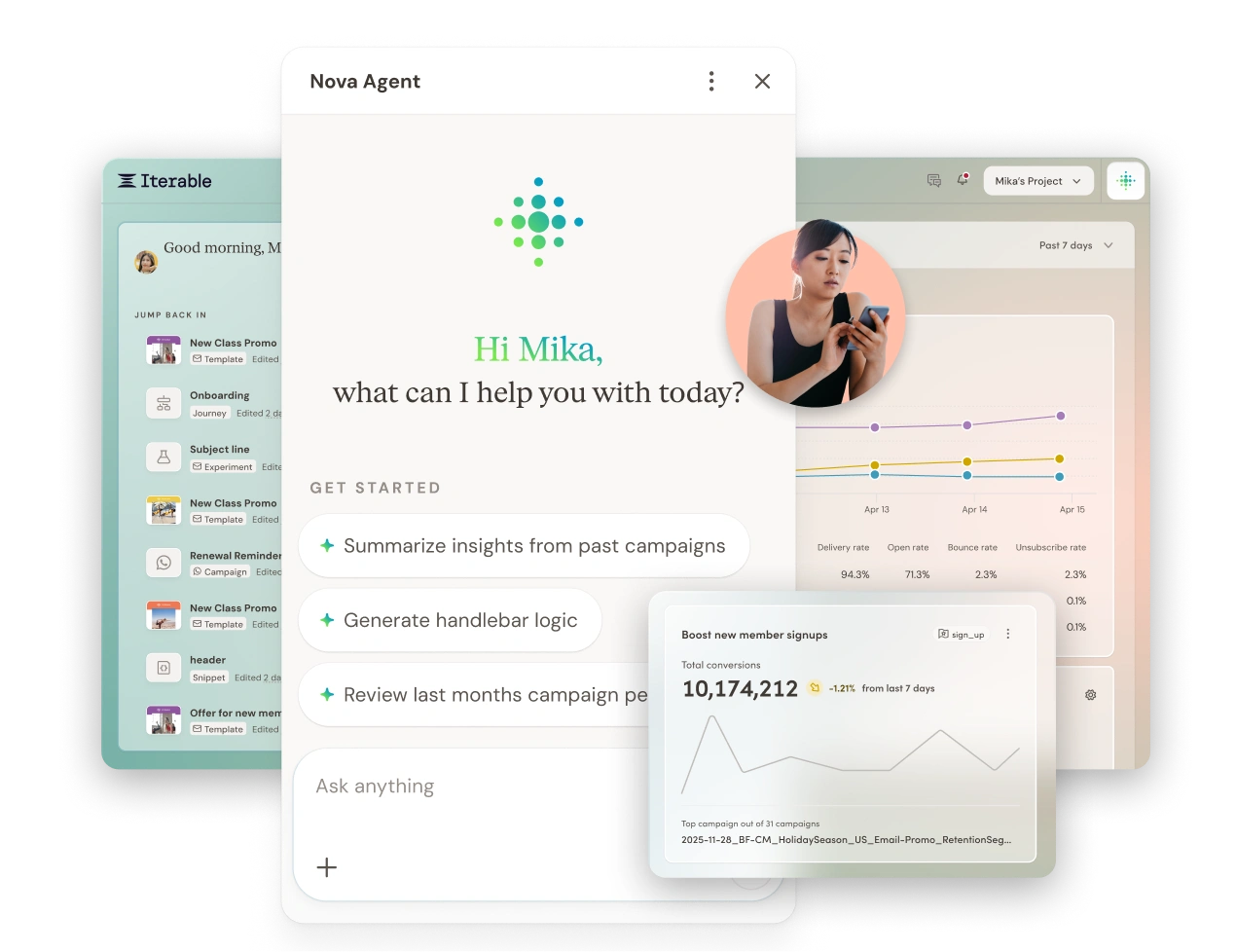
Screenshot: Iterable.
CRM-wide, content, and agent-building platforms
2. Salesforce Agentforce: best enterprise CRM agent platform
Salesforce Agentforce has the highest enterprise CRM ceiling in this ranking. Agents can read Data 360 and CRM context, update records, trigger Flows, create campaigns, personalize journeys, and interact with customers. Agentforce Marketing extends that model across campaign planning, content, delivery, and optimization.
The autonomy range is L3-L4 because teams configure the topics, actions, identity, permissions, and escalation paths. One deployment may require approval for every campaign change. Another may let a customer-facing agent resolve a request or update a record without intervention. The underlying Salesforce data and permission model is the moat for companies already running their revenue operations there.
Pricing needs careful reading. Salesforce Foundations starts at $0. Flex Credits cost $500 per 100,000 credits, and a standard action consumes 20 credits, or about $0.10. Customer conversations cost $2. Marketing Cloud Next Growth starts at $1,500 per organization per month, while the Advanced edition starts at $3,250. Those are separate buying paths.
Honest limitation: The headline Agentforce price is rarely the full deployment cost. Data 360, Marketing Cloud editions, implementation, integration, usage, and governance can matter more than the agent license. Agentforce is powerful when Salesforce already holds the authoritative customer context. A smaller team starting from scattered tools may spend months building the foundation.

Screenshot: Salesforce.
4. HubSpot Breeze: best mid-market CRM agent suite
HubSpot Breeze packages agents around the work already happening in Smart CRM. Prospecting Agent researches and recommends outreach. Customer Agent resolves conversations and qualifies leads. Data Agent answers questions across CRM data. HubSpot AEO and content tools extend the surface into inbound marketing. The shared context is the reason to buy it if your team already lives in HubSpot.
The ceiling is L2-L3. Breeze can create finished work and, in selected surfaces, act inside HubSpot with metered credits. HubSpot prices some outcomes directly: Customer Agent costs $0.50 per resolved conversation, Prospecting Agent costs $1 per lead, and Data Agent costs $0.10 per answer. That makes cost modeling more concrete than a generic token pool.
Entry pricing has two layers. Breeze Assistant and more than 100 embedded AI features are available in HubSpot’s free edition. Marketing Hub Professional, which includes customer agent and AEO capabilities, starts at $890 per month with three seats. Enterprise starts at $3,600 per month. Credits are bundled by edition and can be expanded.
Honest limitation: Breeze gets weaker as work leaves HubSpot. Paid-media execution, complex warehouse logic, and content publishing across a mixed enterprise stack can require extra automation. The combination of seats, hub editions, and outcome credits also means the free starting point is not a realistic production price for most teams.
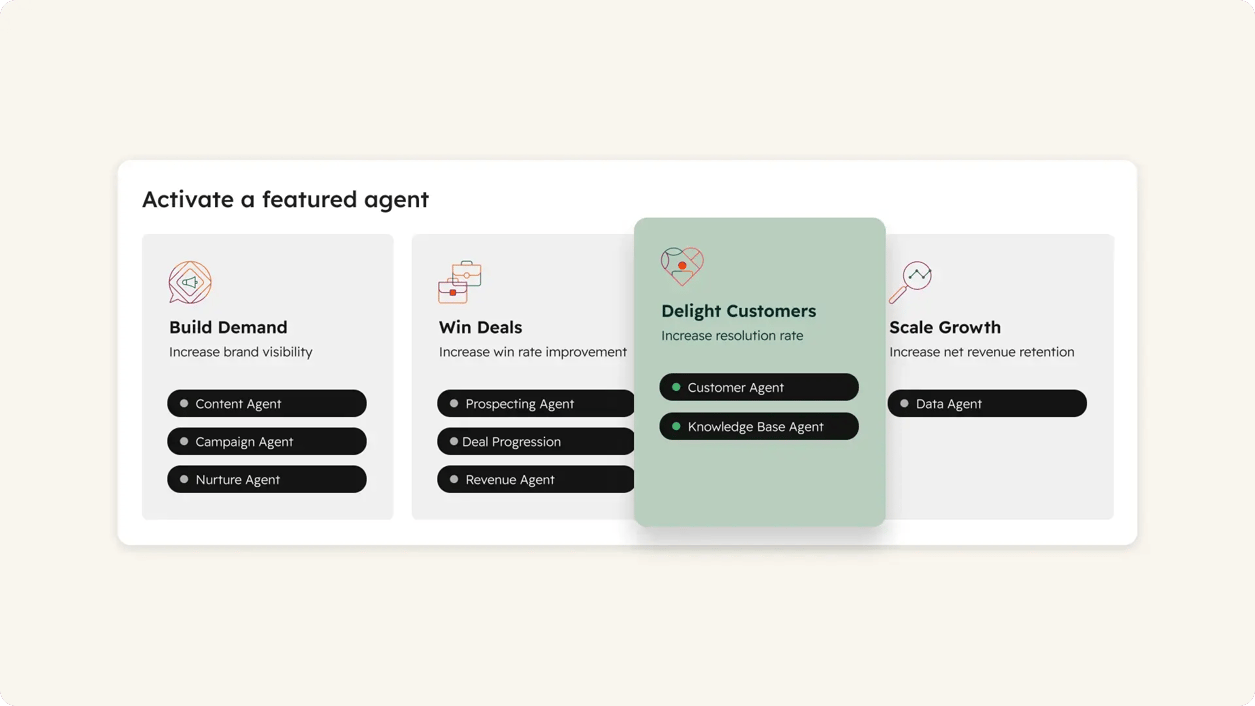
Screenshot: HubSpot.
9. Jasper Agents: best for controlled brand content
Jasper has evolved from a writing assistant into a marketing content platform with purpose-built agents for research, optimization, personalization, and campaign work. Brand Voice, Knowledge assets, audiences, and style controls give those agents a stronger context layer than a generic chat window. The platform is especially good at producing many content variations without losing the basic language rules a brand team cares about.
I score Jasper at L2. Its agents can research a topic, optimize content, populate a campaign, and produce a finished asset. The primary output still lands as content for a marketer to review and move through a publishing or activation workflow. Jasper’s business plan adds a no-code Agent Builder, API access, governance, and unlimited custom agents, but public documentation does not support a broad claim that Jasper independently writes across live marketing systems.
The Pro plan costs $69 per seat per month, or $59 with annual billing, and includes core marketing agents. Business pricing is custom. Jasper now uses hybrid credits for premium functions such as advanced research, GEO Hub, API, MCP, and Grid usage while core Chat, Agents, Studio, and IQ remain included in business plans.
Honest limitation: Jasper is a content specialist with agent packaging. Teams expecting autonomous budget changes, CRM updates, or closed-loop lifecycle execution need another system. Its value depends on brand governance and production volume, so a small team doing occasional drafts may get similar output from a general model and a disciplined prompt library.
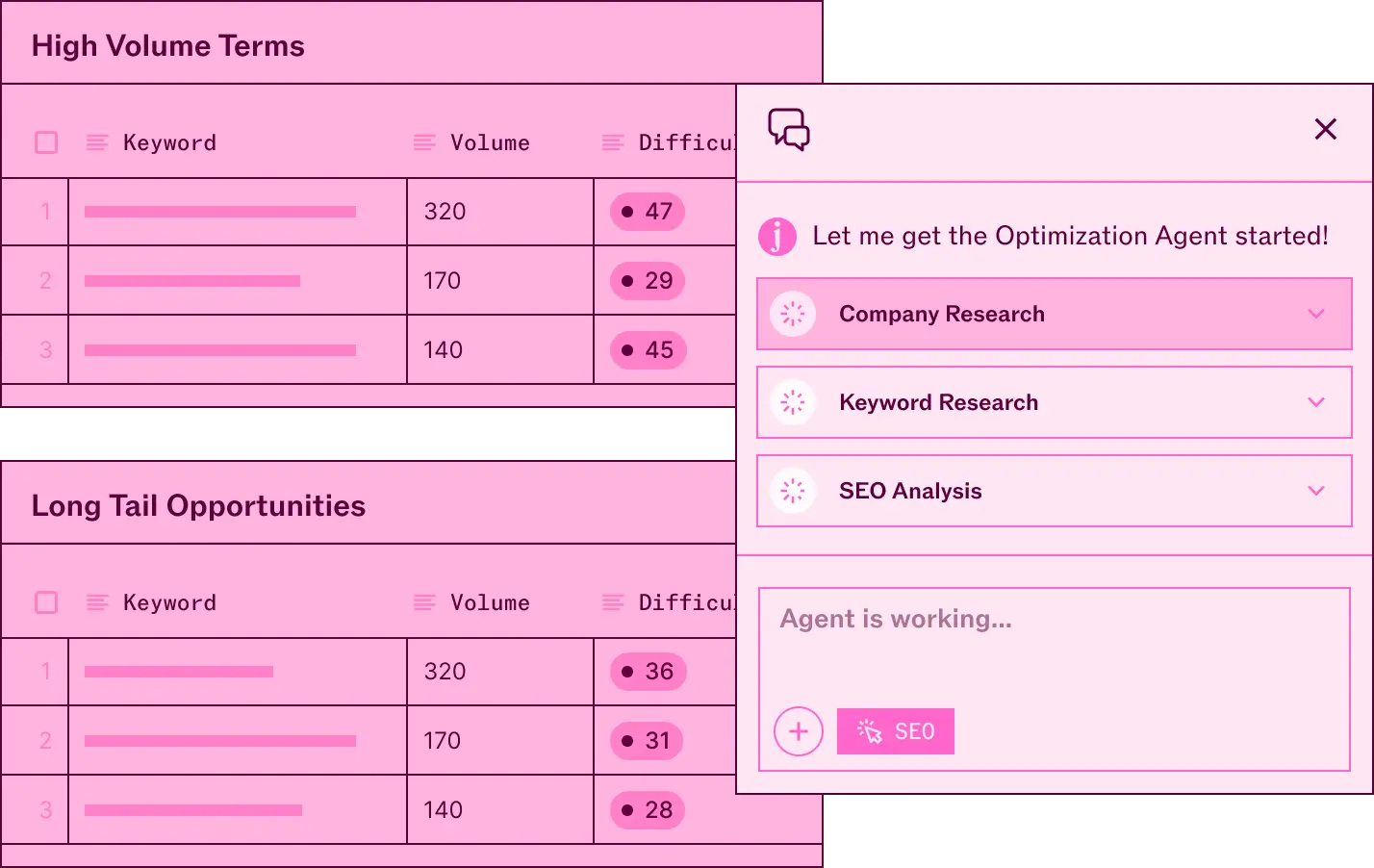
Screenshot: Jasper.
10. Relevance AI: best no-code agent workforce for GTM
Relevance AI is a horizontal agent builder with a strong go-to-market template library. Teams can create agents, group them into workforces, connect tools such as HubSpot, Salesforce, Gmail, Slack, and Webflow, schedule tasks, and configure smart escalation. That flexibility gives it a higher ceiling than most purpose-built marketing products.
I score the platform at configurable L4. An agent can send emails, update a CRM, run research, and hand exceptions to a person. The marketer or builder defines the tools, triggers, instructions, and boundaries. Relevance also exposes the cost model clearly: an Action is one tool call, while Vendor Credits cover model and third-party usage.
The free plan includes 200 Actions per month, unlimited agents and tools, and one workforce. Pro begins at $19 per month on annual billing with 2,500 monthly Actions, scheduling, chat mode, and smart escalations. Team begins at $234 per month annually and adds 7,000 Actions, 45 end users, A/B tests, and analytics.
Honest limitation: Relevance supplies the agent infrastructure, not the marketing judgment. A general workforce can automate a weak process very quickly. Production quality depends on tool permissions, prompt and context design, evaluations, and someone owning maintenance when external APIs change. Budget for the builder and governance work alongside the subscription.
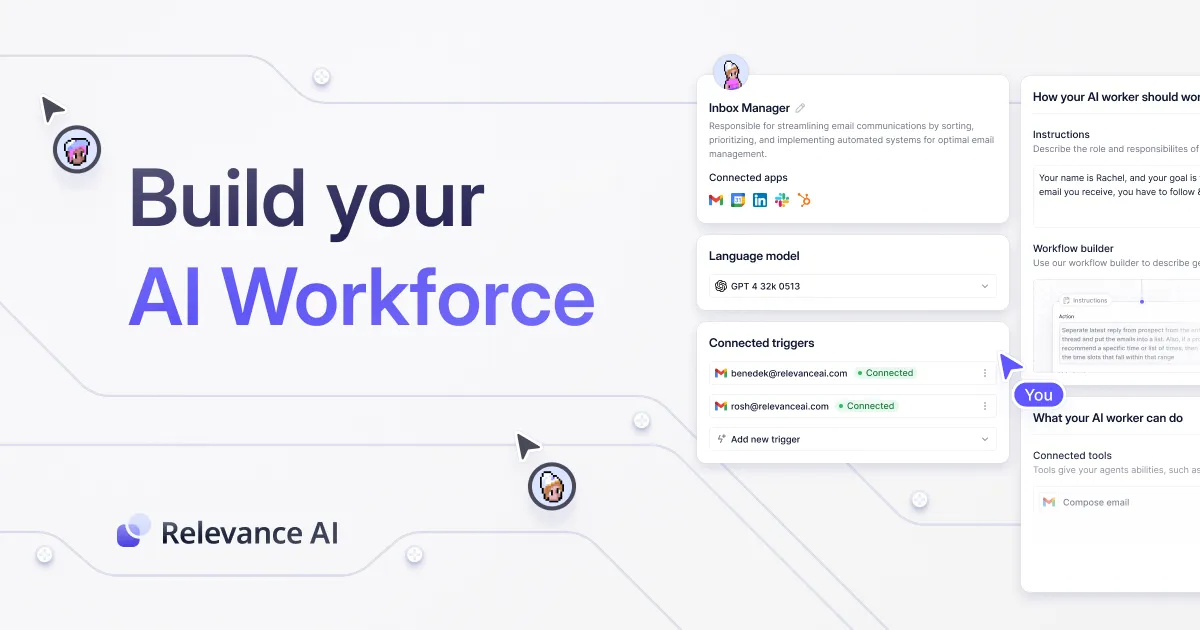
Screenshot: Relevance AI.
11. n8n: best flexible workflow layer for technical marketers
n8n is a workflow automation platform with agent nodes, model choice, memory, tools, vector stores, MCP support, code steps, webhooks, and hundreds of integrations. A technical marketing team can use it to build an agent that reads campaign data, generates content, updates a CRM, routes approval in Slack, and publishes to a CMS. The surface is limited mainly by available APIs and your willingness to maintain the workflow.
That makes the ceiling configurable L4. Scheduled and event-driven workflows can run without a person, while approval nodes and error paths can preserve control around sensitive writes. n8n’s biggest advantage is the blend of deterministic steps and agent reasoning. Use code and rules where the answer should be predictable, then use a model where judgment is actually useful.
The Community Edition is self-hosted and free. n8n Cloud starts at €20 per month billed annually for 2,500 workflow executions with unlimited steps. Pro starts at €50 for 10,000 executions. Model and third-party API costs remain separate, and concurrency becomes important for high-volume agents.
Honest limitation: n8n gives you plumbing, not a ready marketing teammate. Someone must design the context, credentials, error handling, evaluations, and monitoring. Self-hosting shifts more operational responsibility to your team. It is a great fit for a Marketing Engineer and a frustrating purchase for a team that wants a campaign outcome on day one.
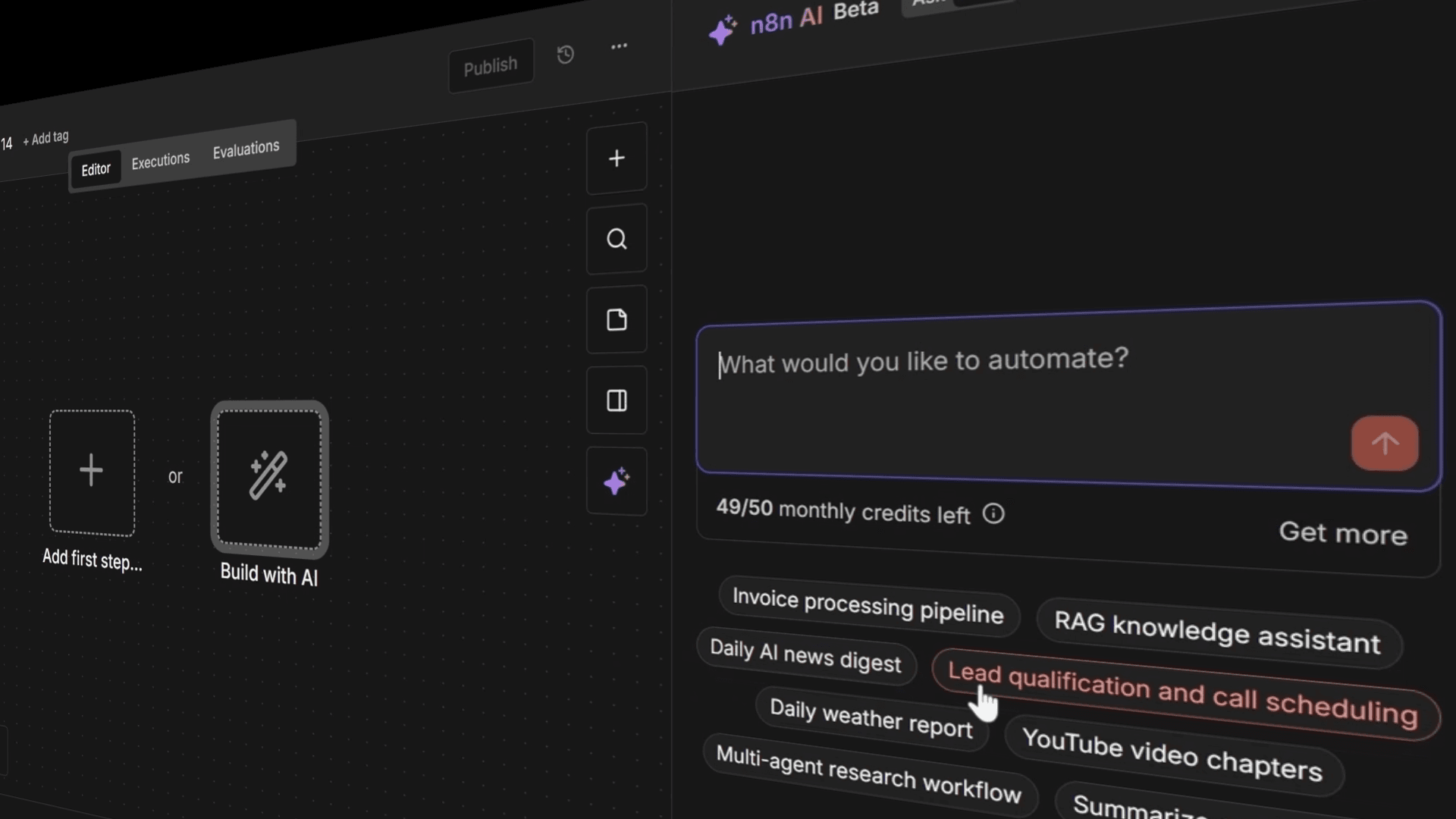
Screenshot: n8n.
12. CrewAI: best code-first multi-agent orchestration
CrewAI is a framework and managed control plane for building teams of specialized agents. A marketing engineering group can define a researcher, strategist, writer, analyst, and publisher, give each one tools and roles, then coordinate them through a Flow. The platform supports a visual editor, GitHub integration, deployment, tracing, governance, and private tool repositories.
Its ceiling is configurable L4. A Crew can run on a schedule or trigger, make decisions, call external systems, and complete a multi-step process inside the limits the developer defines. CrewAI is especially useful when one general agent becomes hard to evaluate. Separating responsibilities can make inputs, outputs, and failure points easier to inspect.
The Basic plan is free and includes 50 workflow executions per month, the visual editor, and GitHub integration. Enterprise pricing is custom and adds SSO, RBAC, workload identity, PII redaction, policies, and deployment to CrewAI cloud, a private VPC, or customer infrastructure.
Honest limitation: CrewAI is a development platform. It arrives without native marketing data, a brand model, AEO visibility, or a finished approval process. Multi-agent designs can also add latency, model cost, and more places for errors to compound. Use it when the workflow genuinely needs separate roles and your team can test the system like software.
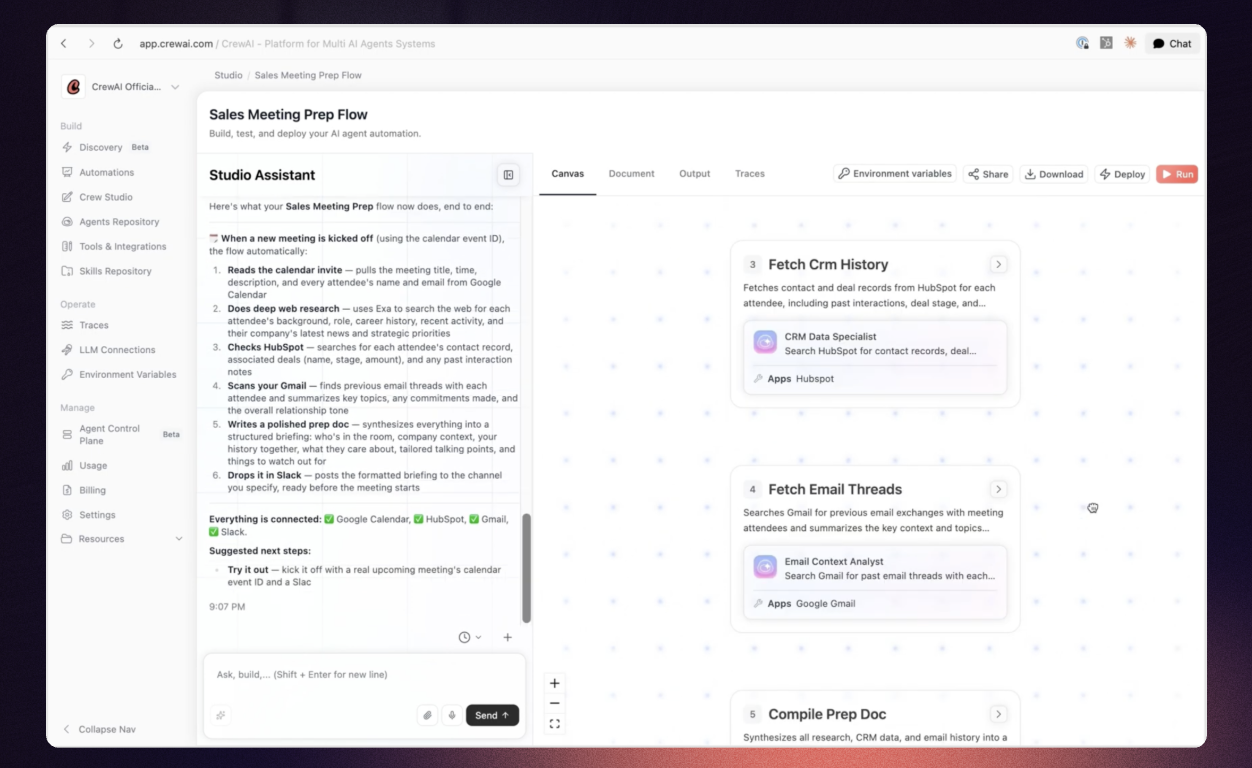
Screenshot: CrewAI.
AEO and AI-answer visibility agents
1. Profound Agents: best AI marketing agent for AEO and content
Profound is my top pick for teams trying to become the answer in ChatGPT, Perplexity, Google AI Overviews, and the rest of AI search. Profound Agents can start with visibility, citation, prompt-volume, and competitor data, then research what answer engines cite, create or refresh content, route it through human approval, publish to a CMS, and measure whether the page earns citations.
That closed loop is why Profound leads this ranking. Most agent builders begin with a prompt. Profound can begin with a measured opportunity. Your AI Marketer in Profound is designed to know the brand, surface the work worth doing, put Agents to work, and learn from accepted projects and edits. Teams can start from the Agent template library or build custom workflows with web scraping, model calls, Answer Engine Insights, APIs, and brand context.
The ceiling is L3 for publishing because every run includes an approval step before content goes live. Starter costs $99 per month annually with 100 Agent credits. Growth costs $399 with 400 credits. Enterprise adds up to 9 answer engines, custom usage, API access, SSO, and Projects powered by the AI Marketer.
Honest limitation: Profound is specialized around AEO, content, and AI-answer visibility. It is not a paid-media bidder or lifecycle messaging platform. Agent credits also vary with workflow complexity, and the most proactive AI Marketer experience, broader engine coverage, and enterprise controls require the enterprise tier.
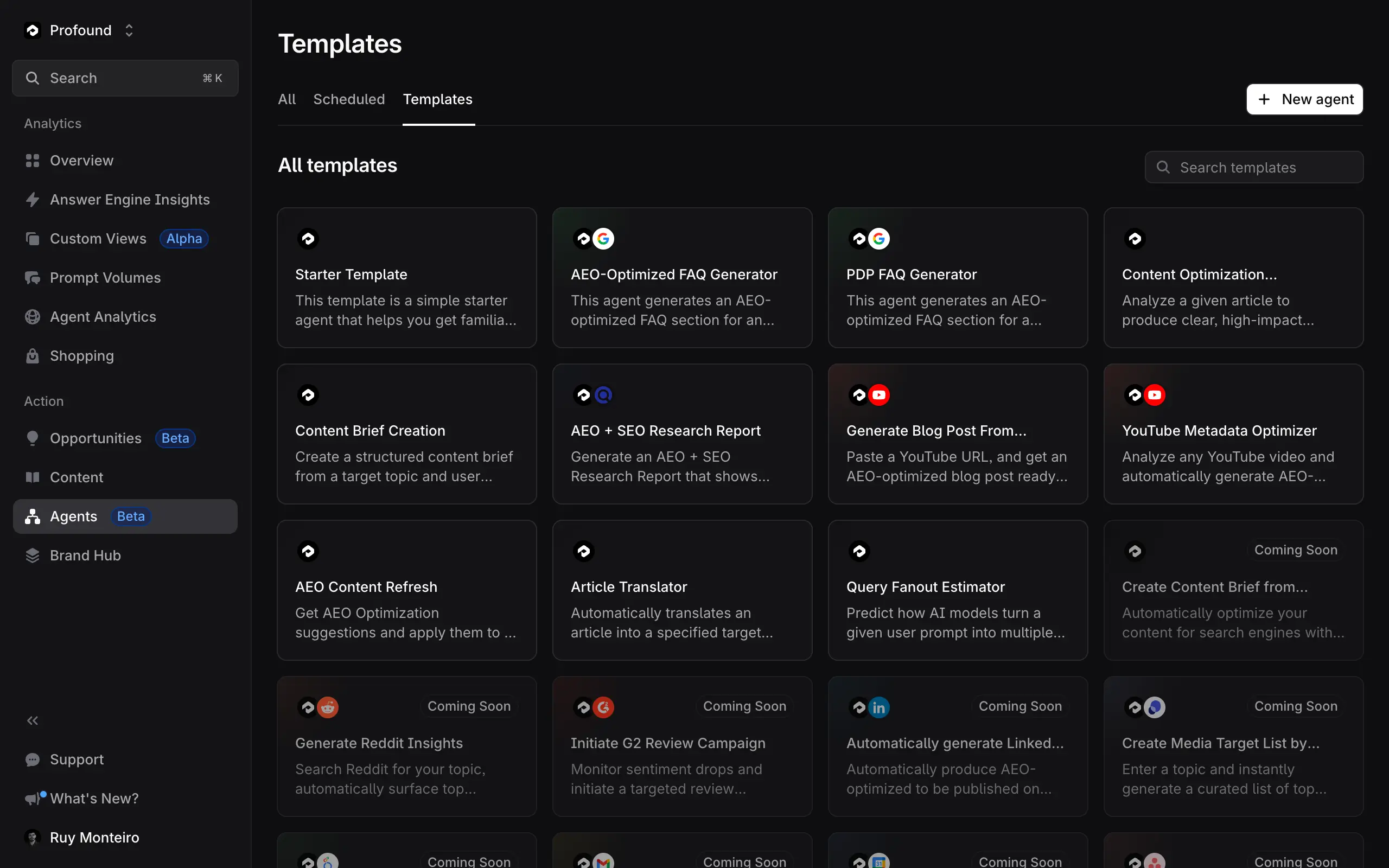
Screenshot: Profound Agents.
8. AirOps Quill: best AEO agent for content engineering teams
AirOps combines AI-search insights, brand kits, content workflows, and a newer agent captain called Quill. Quill watches visibility signals, surfaces opportunities, drafts Playbooks, executes accepted campaigns, and routes work for approval in AirOps or Slack. Playbooks hold goals, channels, voice, and success criteria, while deterministic Workflows can handle repeatable substeps.
I score Quill at L3. It can monitor, recommend, and execute a content campaign, but the product emphasizes inline approval gates for briefs, drafts, schema, and final output. That is a good design for content teams because edits and overrides become feedback without quietly publishing a weak page. AirOps also connects CMS, SEO, AEO, social, and project data, giving its agents more context than a standalone writer.
The pricing page lists an Insights tier starting at $0, plus Solo, Pro, and Enterprise packages whose current public page does not expose fixed dollar amounts. Plans scale through tracked prompts and pages, task volume, brand kits, knowledge bases, integrations, and support. Extra Solo tasks cost $0.025 each.
Honest limitation: Public paid pricing is incomplete, and the product spans several generations of AirOps packaging, including tasks, Workflows, Playbooks, Insights, and Quill. Buyers need a scoped proposal to understand the real cost. AirOps is also centered on content engineering, so paid media and CRM execution need other systems.
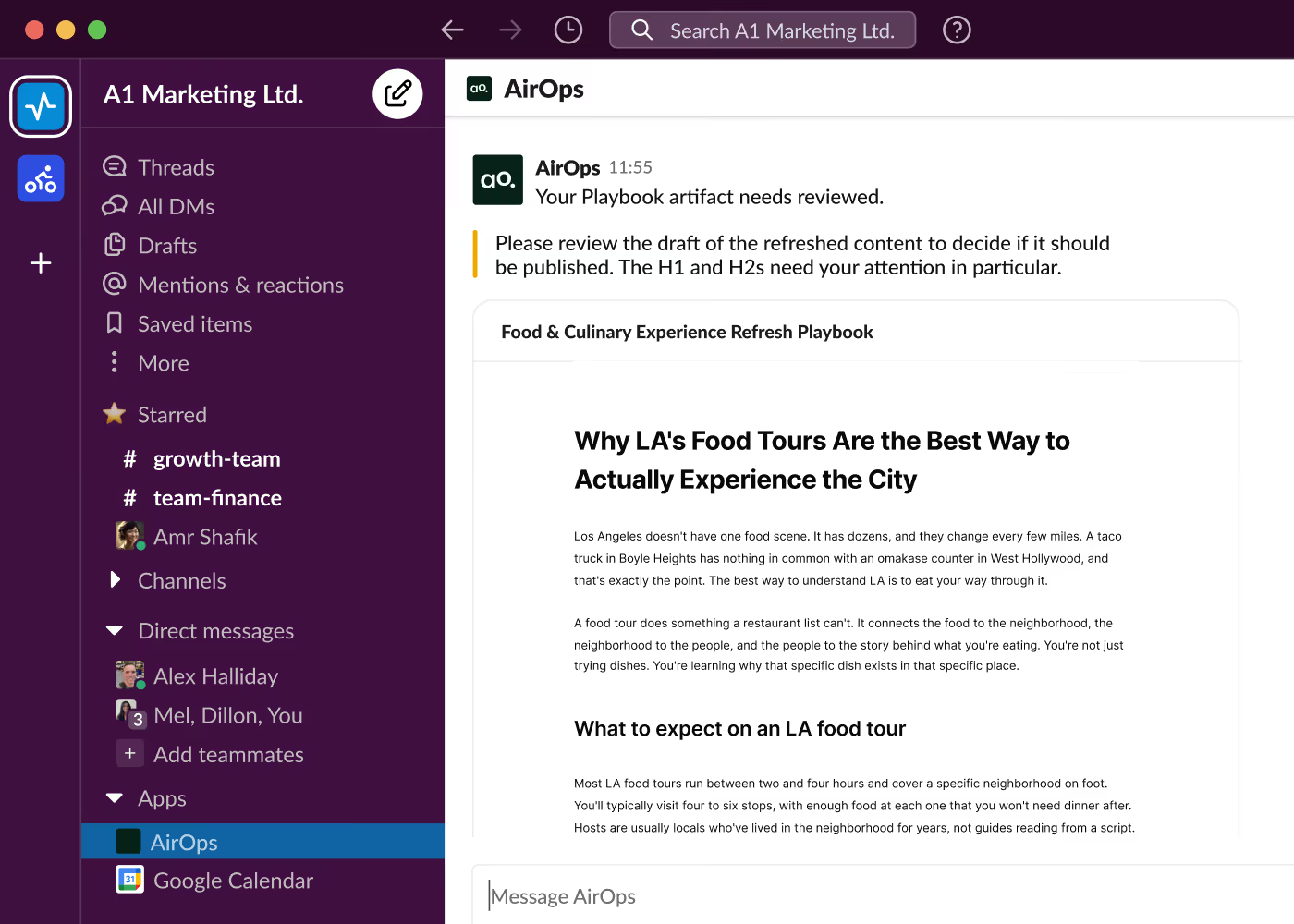
Screenshot: AirOps Quill.
15. Writesonic: best entry bundle for AI visibility and content
Writesonic combines AI visibility tracking, SEO, site audits, content generation, and agentic workflows in one product. The Starter tier tracks ChatGPT, Gemini, and Google AI Overviews, includes 15 AI articles per month, runs site audits, and provides 10 trial agentic workflow runs. Higher tiers add more prompts, sentiment, Action Center usage, and broader workflow access.
The autonomy ceiling is L2-L3. Writesonic can identify a visibility issue, recommend actions, create or refresh content, and run workflows that move the fix forward. Full Action Center access and agentic workflows sit at the enterprise end, so the entry product behaves more like an integrated AI visibility and content suite than a fully delegated marketing system.
Pricing is public and easy to compare. Starter costs $79 per month billed annually for 50 tracked prompts and answers each day. Basic costs $199, Growth costs $399, and Enterprise is custom. Growth includes 200 prompts, 600 daily answers, 50 AI articles, 50 site audits, and 100 trial workflow runs.
Honest limitation: The $79 entry tier has limited agentic workflow access, no Action Center, and only three AI-search surfaces. Teams evaluating Writesonic for autonomous AEO work should compare the enterprise package, not the Starter headline. Its broad feature set can also create overlap if you already have dedicated SEO, content, and visibility platforms.
Screenshot: Writesonic.
How to choose an AI marketing agent
Use this decision tree before you book demos:
- Which system needs to change? Choose paid media, lifecycle, CRM, content operations, or AEO. If you name more than one, rank them.
- Does the agent need write access? If recommendations are enough, L1-L2 is cheaper and easier. If the bottleneck is execution, require L3 or L4.
- What happens when it is wrong? Put publishing, customer messaging, and large budget changes behind approval until the workflow has earned trust.
- Where does context live? Prefer the platform that already holds the authoritative data, or price the integration and maintenance work honestly.
- How will it learn from results? Ask the vendor to show the signal, proposed action, approval, execution log, and measured outcome in one demo.
The buying mistake I see most often is choosing the most impressive agent demo before naming the surface. Start with the system you need to change. Then buy the highest safe autonomy that system and your team can support.
Decision-tree FAQs
What is the best AI marketing agent for AEO and content?
Choose Profound when the job starts with AI visibility, citations, prompt demand, or competitor gaps and ends with approved content. It connects data from up to 9 answer engines on enterprise plans with Agents, CMS publishing, and citation feedback. Starter begins at $99 per month with 100 Agent credits.
What is the best AI marketing agent for paid media?
Choose Soku when you need one agent to reason across Meta, Google, TikTok, and GA4 with approval before execution. Choose Performance Max or Meta Advantage+ when you want L4 optimization inside one ad network and are comfortable with less decision transparency. Soku has a $0 tier, while Google and Meta charge through media spend.
What is the best AI marketing agent for CRM teams?
Choose Salesforce Agentforce for enterprise CRM orchestration and a potential L3-L4 deployment. Choose HubSpot Breeze for a faster mid-market path inside HubSpot. Marketing Cloud Next starts at $1,500 per organization per month, while HubSpot Marketing Hub Professional starts at $890 per month.
How much autonomy should I give a marketing agent?
Start consequential work at L3, where the agent prepares the live change and a person approves it. Move a workflow to L4 after you have clear limits, an audit trail, exception handling, and at least 1 tested rollback path. Budget and customer-facing actions deserve a higher bar than internal research.
Should I buy a platform or build agents with n8n, CrewAI, or Relevance AI?
Buy a purpose-built platform when it already owns the data and action surface you need. Build when your workflow crosses systems or creates a real competitive advantage. A typical team needs 1 primary platform and, at most, 1 specialist rather than a stack of 5 overlapping agent builders.